Jeffrey Epstein’s Legal Loopholes and the Mechanisms of Normalizing Evil
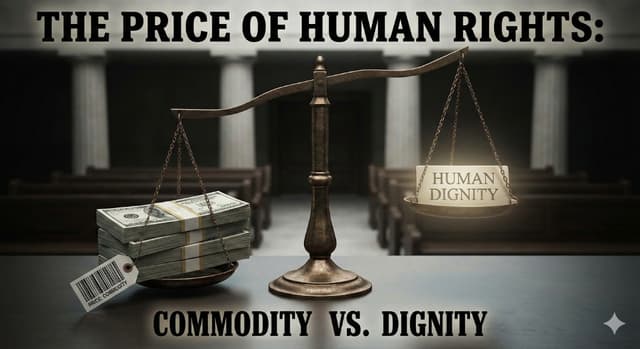
The release of a vast trove of documents from the Epstein archives has caused a major resonance and exploded across the internet. While human rights advocates insist that most of the material remains hidden and unpublished, even the released records raise serious questions about the scale of exploitation and how excessive influence and institutional blindness mask criminal activity. These documents revealed the deep involvement of well-known figures in the subject's social circle and lack of legal scrutiny into the nature of these connections, driven by systemic mechanisms that allow individuals to minimize harm and distance themselves from accountability.
Despite the obvious crimes committed, there are many people online defending pedophiles and human traffickers. In public discourse, some commentators oversimplify the problem, reducing everything to the "personal choice" of the women involved in the sex industry.
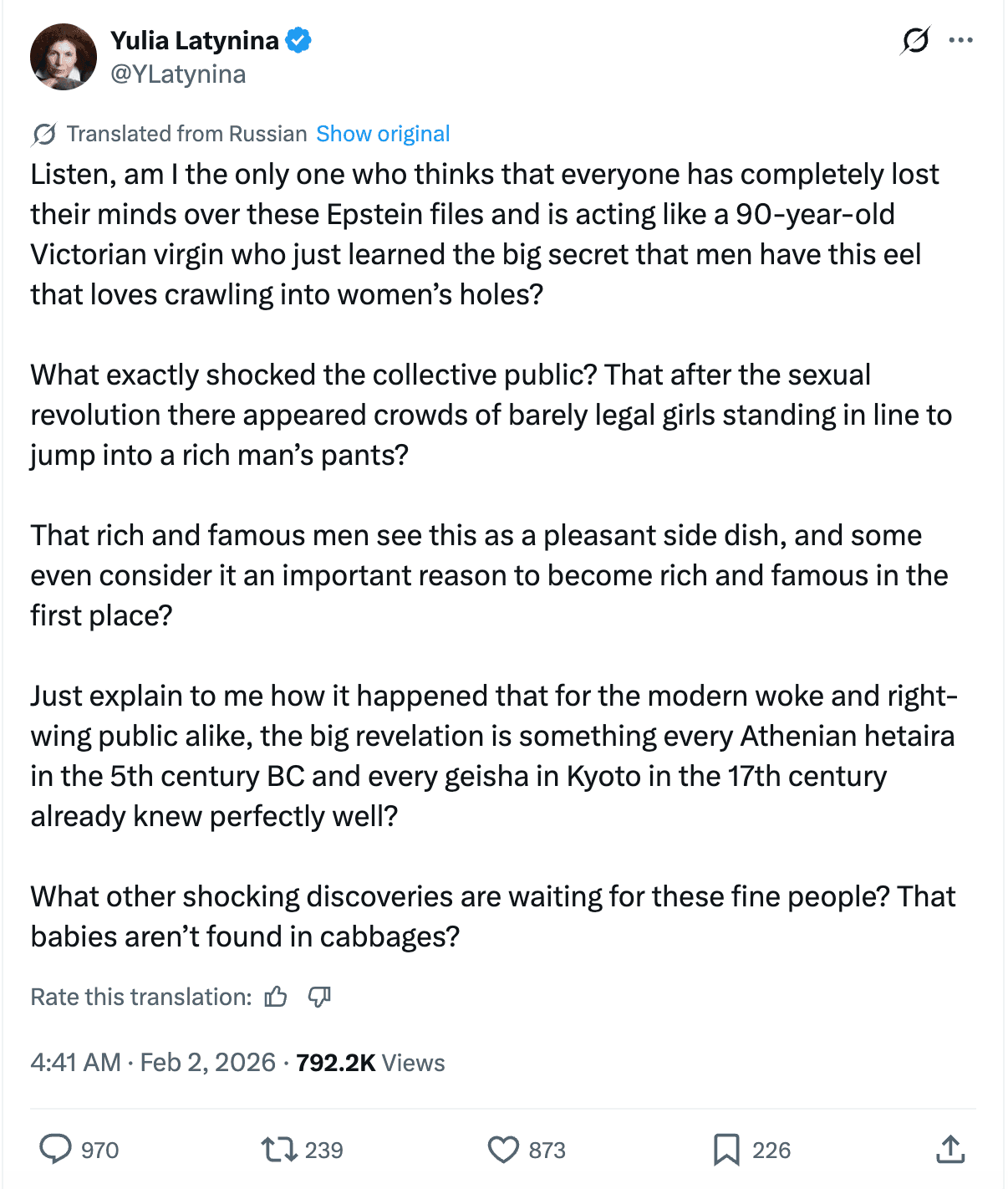
For example, a representative of the Russian opposition, Yulia Latynina, asks: "Why is everyone going crazy, exactly? What's the big deal? Minor girls want a sugar daddy for themselves."
By the way, look at the screenshot above to see how the built-in translator on X handled this post. It translates the derogatory Russian slang word for "minors/underage girls" (maloletki) as "barely legal." - a term used to describe those who have already reached the age of consent or about it. By using this phrase, the algorithm unintentionally sanitizes both the post and the crime, which is described by the post shifting the focus from criminal exploitation of children to a gray area.
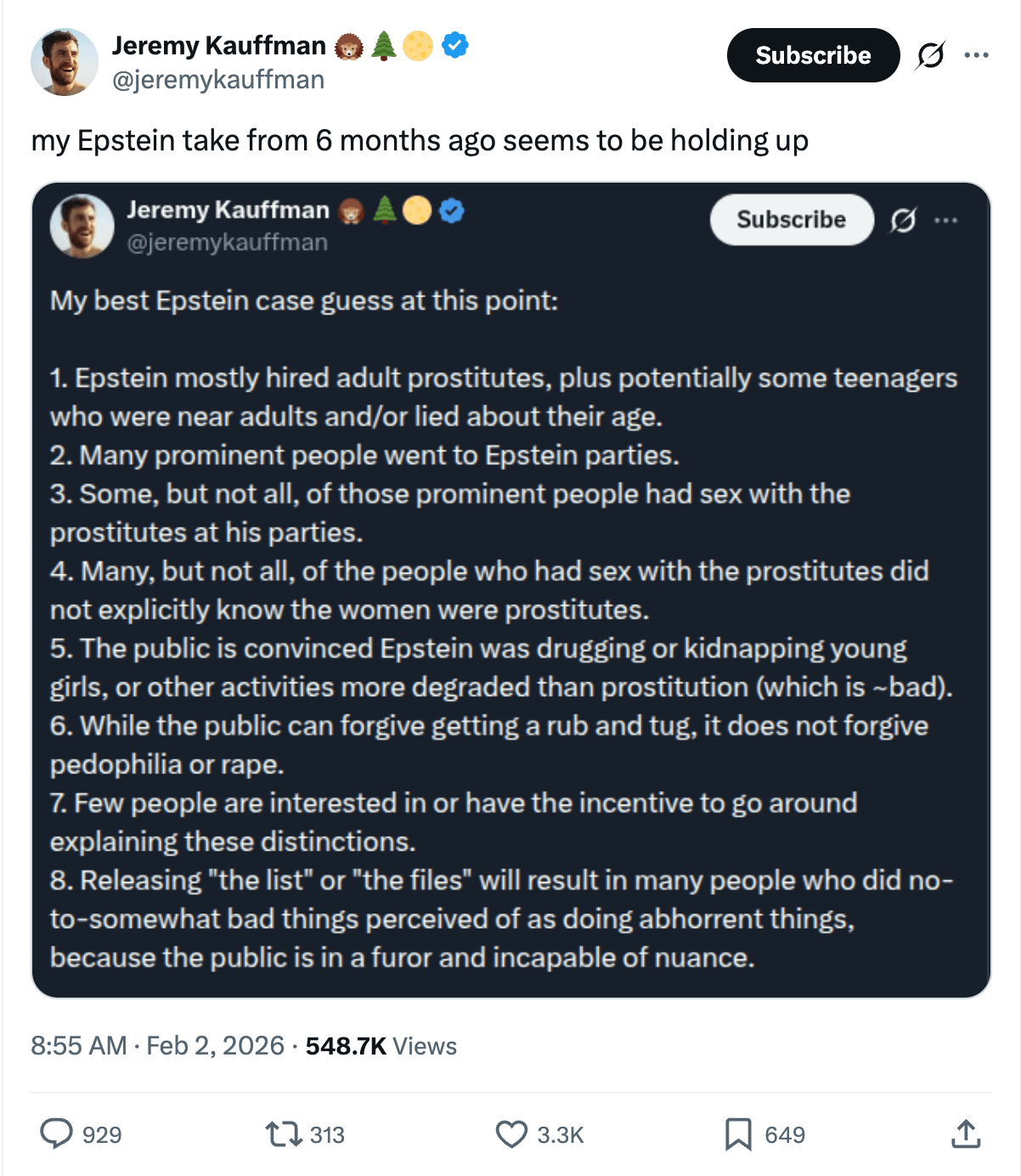
Or take Jeremy Kauffman, a representative of the libertarians in America and the founder of LBRY (a blockchain protocol), who claims that those involved were mostly adult prostitutes and that guests might not have known the women's ages.
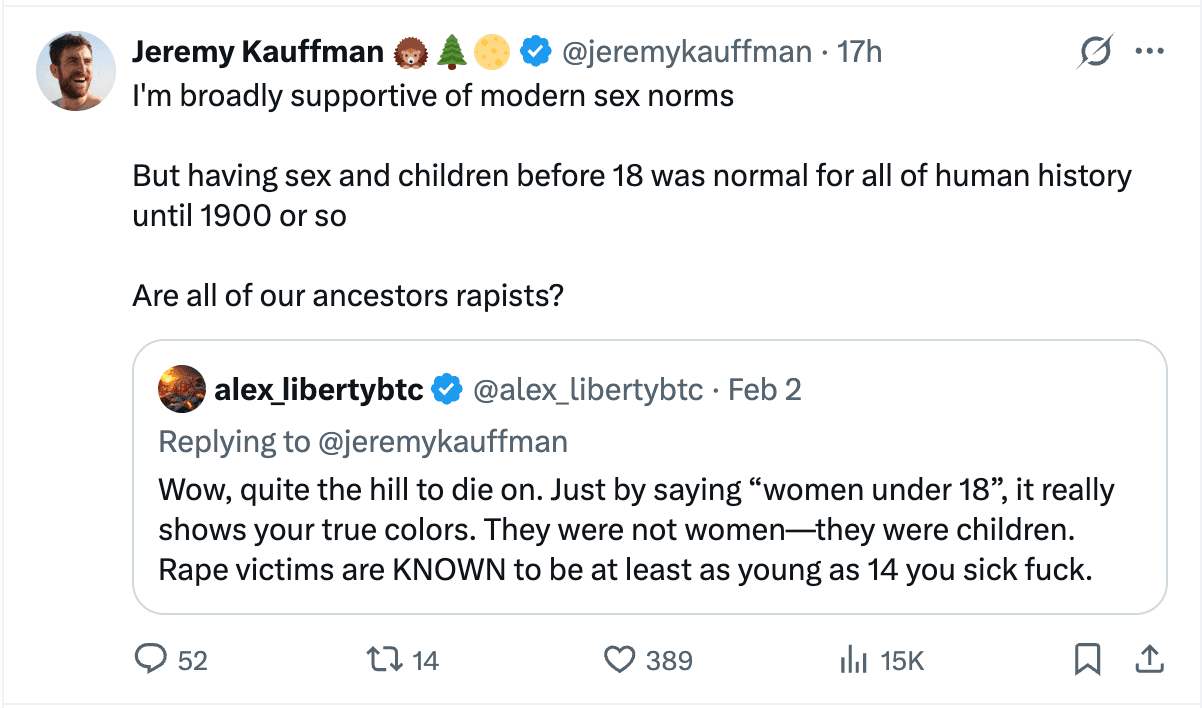
This effectively shields Epstein’s guests from scrutiny but fails to resolve a problem that has existed for centuries: human trafficking and exploitation. And they are well aware of this, asking provocative questions like: "So, were all our ancestors rapists?"
But what if we ask a different question instead:
Should people in the 21st century live as if in the Middle Ages simply because certain groups refuse to give up the habit of trading in human lives?
The existence of criminal prosecution and Epstein’s subsequent plea deal in 2008 make it difficult to believe that guests could have known nothing about the involvement of minors. Simply put, he was a human trafficker, and in 2008, he effectively escaped federal punishment. Here is how it happened.
Epstein used a Plea Agreement regarding Florida state charges of soliciting a minor (under 16) for prostitution. He also used a Non-Prosecution Agreement (NPA), which effectively shut down the federal investigation for a specific period and set of episodes. These two agreements were combined in such a way that federal prosecution for the episodes covered by the NPA was halted, as the NPA contained the federal side's commitment not to prosecute the facts specified in the agreement.
Furthermore, the execution of this scheme was accompanied by procedural violations. Both the content of the agreements themselves and the procedure for their approval were heavily criticized. In particular, the prosecutors were accused of not notifying all identified victims about the negotiations and terms of the agreement.
As a result, Epstein was shielded from serious criminal liability. He was sentenced to 18 months in jail with work release privileges, allowing him to work outside the facility for up to 12 hours a day. Formally, he was convicted of soliciting prostitution and engaging in sexual acts with a minor, but not on the heavy federal charges that could have resulted in many years sentence.
Nevertheless, it was not a matter of his innocence, but technical maneuvers that allowed him to escape severe punishment and halt federal investigations into the most serious charges.
The outcome, in this case, was the result of a specific combination: non-prosecution agreements, the reclassification of episodes to lesser offenses, and the splitting of jurisdictions, which allowed for the slowing down of the process, the dispersing responsibility, and the complication of evidence gathering.
Returning to the rhetoric of freedom of choice in prostitution and victim blaming: why are they dangerous? Such narratives fit perfectly into the above-mentioned mechanisms that allow exploitation to go unpunished and normalize human trafficking in the public perception (which is still, for now, nominally free). If society agrees that prostitution is a woman’s choice, then the crime seemingly doesn't exist.
This justification ignores both legal and factual realities: in cases of human trafficking and exploitation, consent is either undermined by the use of force, drugs, deception, and blackmail, or absent by definition (if the victim is below the age of consent). Most often, teenagers and young women from poor, single-parent, or dysfunctional families end up in prostitution, because poverty and lack of effective protection from adults and institutions makes them especially vulnerable.
Separately, it must be emphasized that a woman’s right to choose must include access to education and normal work, while prostitution takes away this right from a woman. It turns the woman herself, rather than her knowledge, into a commodity. This undermines the very foundation of personal development and deprives a woman of the opportunity to participate fully in society on equal terms, effectively annulling her right to a future built on the foundation of knowledge, dignity, and professional recognition.
In conditions of coercion or deception, voluntary choice does not exist, and a society that agrees to such deals is voluntarily taking a step back toward global slave trade. When you vote for this, consider what you will be able to offer the economic system once many professions are replaced by Artificial Intelligence and the value of certain human knowledge and skills is devalued. What if you legalize human trafficking today under the mask of freedom of choice, only to find that in tomorrow's economic system, a person's only liquid asset is their biological body? Would you want yourself or your children to have the "right" to be raw material?